


Let’s get one thing straight: replacing ferry engines is not “routine maintenance.”
Routine maintenance is changing filters, checking oil, and doing the work that keeps the boat safe and reliable day-to-day. What happened with the Guemes Ferry in 2025 was not that.
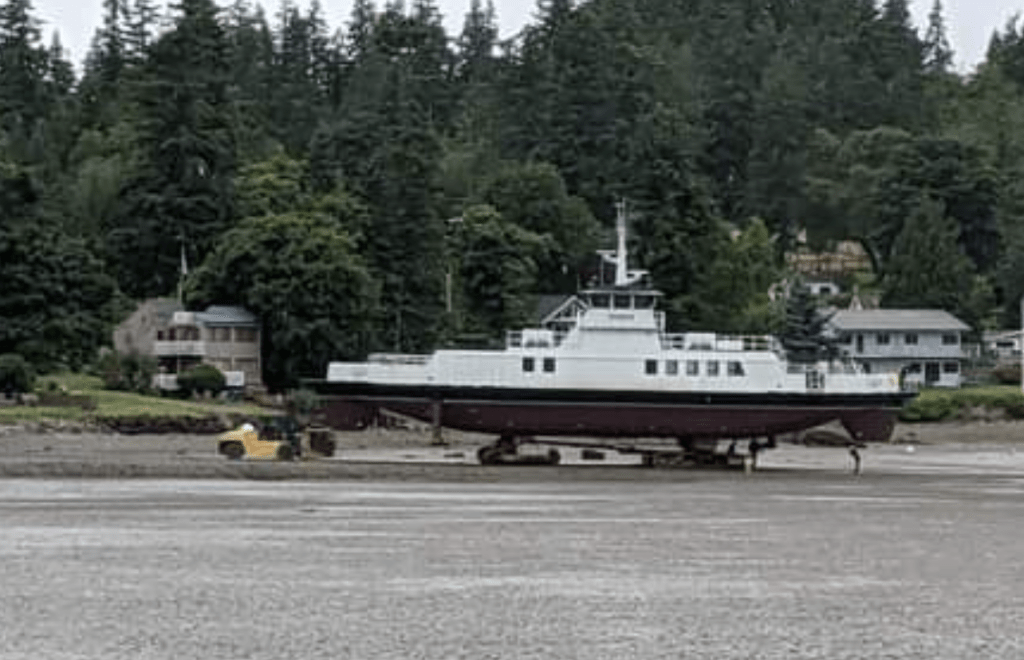
During what was called a “routine” two-week drydock, the county decided to push forward with a complete engine replacement project. The result? The ferry spent an additional 10 weeks in the shipyard. Ten weeks! That meant longer rental of a replacement vessel, higher costs for riders, and, not surprisingly, Crucible Engineering’s contract nearly doubled because of it.
Now, here’s the problem: those engineering costs were still labeled as Operations and Maintenance (O&M) instead of being correctly recorded as capital improvements.
This isn’t just a bookkeeping error. It’s a misclassification with ripple effects:
- It artificially inflates O&M costs, which are reported to the state and directly impact how much fare revenue the county claims it needs.
- It undermines public trust because what’s being presented as “routine” is anything but routine.
- It obscures the true cost of capital projects, making it harder to plan, budget, and apply for federal and state funding.
And here’s the thing — everyone knows new engines are a capital investment. They extend the life of the ferry. They change its performance. They require design, engineering, and construction. That’s capital. Period.
So when the county labels this massive project as “routine maintenance,” it does more than bend definitions. It bends reality.
Citizens deserve straight answers:
- Why was a capital project hidden under O&M?
- Why was the public not informed that a “routine drydock” would turn into a 12-week overhaul?
- And how many other so-called “routine” expenses are actually capital projects in disguise?
This isn’t about nitpicking. It’s about trust. If numbers are blurred here, where else are they blurred? If we can’t get a clear distinction between maintenance and capital, how can anyone trust fare proposals, funding requests, or budget reports?
Here’s the truth: you don’t inspire confidence by hiding the ball. You inspire confidence by owning the numbers, classifying them correctly, and being transparent about what projects actually cost.
So, Skagit County — stop calling engine replacement “routine.” Start calling it what it is: a capital project.
Because the people footing the bill deserve nothing less than the truth.


One response to “Engine Replacement is not Routine Maintenance”
[…] 5. Capital costs are being included in the Operations & Maintenance (O&M) budgets, which means that we’re on the hook to have fare revenue cover even more expenses. Capital costs include expenses such as the new engines installed and all associated costs. […]
LikeLike